Free Children’s Books Online: 10 Safe Places to Read Them
Free children’s books online can turn any phone, tablet, or laptop into a pocket-sized library. No shopping trip, no library fine, no waiting. A story is ready in a few seconds, whether you’re on the couch, in the car, or snuggled up at bedtime.
The tricky part is not finding books. It’s finding the right ones: safe, truly free, and a good fit for your child’s age. In this guide to free children’s books online, you’ll find 10 trustworthy places to read, a quick checklist for spotting safe sites, and simple tips to pick the right book for every age.
Why Free Childrens Books Online Are Worth It
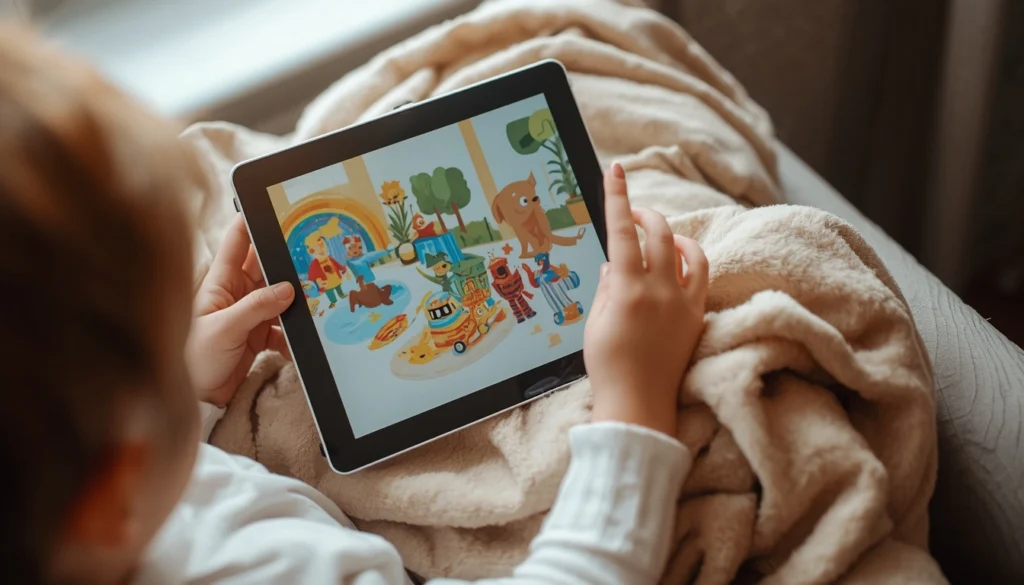
Books can get expensive quickly, especially when a child wants the same story ten times in a row. Free digital books solve that in a few ways:
- They cost nothing, so you can try many stories and keep the ones your child loves.
- They’re always with you. One device can hold more books than a bookshelf.
- They offer variety. You can find classics, new stories, and books in other languages.
- Some include audio. Narrated books help early readers follow along and can support children learning a second language.
Digital books won’t replace paper books or a cozy lap, but they make a great partner.
How to Tell If a Site for Free Children’s Books Online Is Safe

Not every site that says “free” is a good one. Before you let your child browse, run through this quick checklist:
- No personal details needed. Be careful with any site that asks for a child’s name, address, or payment card.
- Few or no pop-ups. Heavy ads and flashing buttons are a warning sign.
- Clear source. Good sites say who runs them, such as a library, a charity, a university, or a publisher.
- Legal books only. Classics whose copyright has expired are fine. Free downloads of new bestsellers on random sites are often pirated and can carry malware.
- Easy for children. Clean pages, big pictures, and simple buttons help young readers.
When in doubt, open the book yourself first, and stay close while your child reads.
10 Safe Places to Find Free Children’s Books Online
1. Our own kids library. Our free kids books library has colorful picture books for children aged 2 to 10, free to read and free to download, with no sign-up. It’s a good first stop if you want ready-to-read stories sorted by age.
2. Unite for Literacy. This free digital library has picture books with simple text and audio narration in dozens of languages. There are no logins, ads, or games, which makes it very parent-friendly. It’s especially helpful for families who speak more than one language. You can find it at uniteforliteracy.com.
3. StoryWeaver. StoryWeaver offers a large collection of illustrated stories in many languages. You can read online, download, and even translate or create stories. A free account is needed. Visit storyweaver.org.in.
4. International Children’s Digital Library (ICDL). This non-profit library collects children’s books from cultures around the world, in many languages. It’s lovely for showing children how stories look and sound in other places. See childrenslibrary.org.
5. Open Library. Open Library lets you borrow digital copies of many books, a bit like a real library. Availability changes, so some titles may have a waiting list. Visit openlibrary.org.

6. Project Gutenberg. Here you’ll find classic stories whose copyright has expired, available in formats like ePub, Kindle, and plain text. It’s best for older children and read-aloud sessions. See gutenberg.org.
7. Oxford Owl. Oxford Owl offers leveled reading books for early readers. A free sign-up may be needed to view them. Take a look at home.oxfordowl.co.uk.
8. Storyline Online. Instead of text, children watch actors read picture books aloud in short videos. It’s great for listeners and for quiet evenings. See storylineonline.net.
9. Your local library’s digital app. Many public libraries offer free e-books and audiobooks with a library card. What’s available depends on your library, so ask the staff or check their website.
10. Library of Congress children’s collections. The Library of Congress has digitized older children’s books, which are fun for older kids who enjoy history and vintage illustrations.
Looking for easy stories to start with? Try our list of free picture books to read together.
Free Children’s Books Online by Age

| Age | What to look for |
| 1 to 2 years | Very short books with big pictures. See our free reading list for 1 year olds. |
| 2 to 3 years | Simple stories, repeated words, animals. Try our best books for 2 year olds. |
| 3 to 5 years | Short plots, feelings, and bedtime stories. See books for 3 year olds. |
| 6 to 8 years | Early readers, funny stories, adventure |
| 9 to 12 years | Longer stories, classics, nature and fantasy |
Every child is different. If a book feels too hard or too easy, simply try another.
How to Choose a Good Book for Your Child
- Let your child pick. Children who choose their own book are more likely to finish it.
- Check the pages. Look at a few pages first. Big pictures and short sentences suit younger children.
- Try before you commit. Read the first page together. If your child loses interest, move on.
- Match the mood. Calm, quiet stories work best for bedtime, and funny ones for daytime.
- Reread favorites. Hearing the same story again and again builds vocabulary and confidence.
Tips for Reading Free Children’s Books Online Without Too Much Screen Time
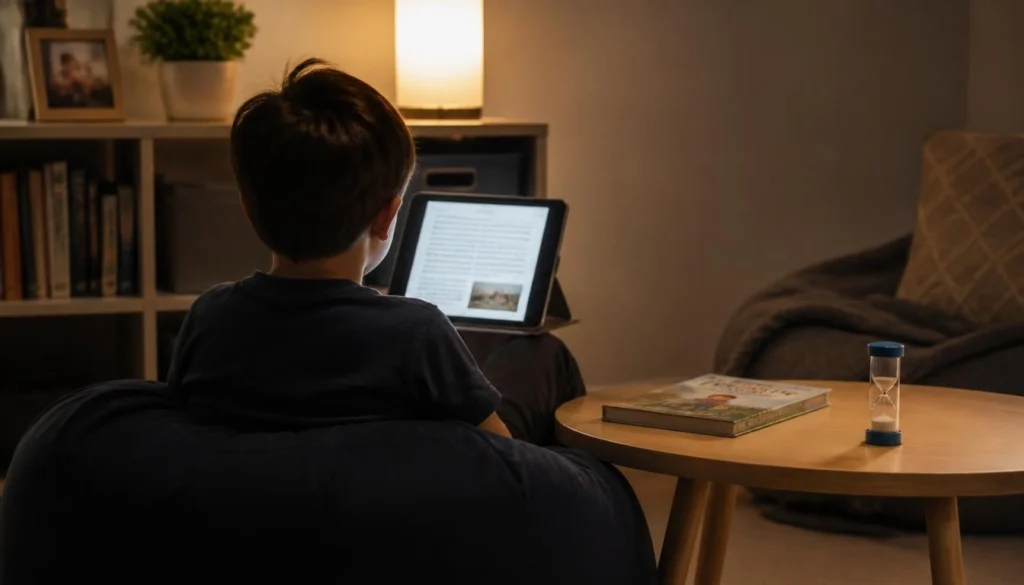
Reading on a screen is fine, but a few habits keep it healthy:
- Read together. Sit beside your child and talk about the pictures. This turns screen time into story time. Our guide on turning screen time into story time has more ideas.
- Set a simple limit. A short reading session before bed or after lunch works better than long stretches.
- Mix paper and digital. Use free books online alongside library books so your child enjoys both.
- Download for offline reading. This avoids pop-ups and helps in the car or on trips.
- Pause for questions. Ask, “What do you think happens next?” It builds thinking skills.
For more ways to enjoy stories aloud, see our read aloud tips for preschoolers.
Common Mistakes to Avoid
Even careful parents slip up when browsing free children’s books online. Watch out for these:
- Letting young children browse unsupervised
- Downloading books from sites that look sketchy or ask for payment details
- Choosing books that are too hard, which makes reading feel like a chore
- Using only screens and forgetting paper books
- Skipping the check for copyright, especially on free download sites
Final Thoughts
Finding free children’s books online is easy once you know where to look. Start with a few safe, trusted sites, let your child choose what they like, and read together as often as you can.
The goal isn’t to read the most books. It’s to make story time something your child looks forward to. And if you want a place to start today, explore the free stories in our kids library.
Frequently Asked Questions
Where can I find free children’s books online?
Safe places include our kids library, Unite for Literacy, StoryWeaver, the International Children’s Digital Library, Open Library, Project Gutenberg, and your local library’s digital app.
Are free children’s books online safe for kids?
Many are, if they come from trusted sources such as libraries, charities, and publishers. Avoid sites that ask for personal details or payment, and stay with your child while they read.
Can I download free children’s books online?
Some sites let you download books for offline reading, while others only allow reading online or borrowing. Always check the terms on each site.
Are free children’s books online legal?
Yes, when they come from the author, a publisher, a library, or a source that offers books whose copyright has expired. Avoid sites that share new copyrighted books without permission.
What are the best free children’s books online for toddlers?
Look for short books with big pictures, simple words, and repeated phrases. Animal stories and bedtime books work especially well.
How much screen time is okay when reading books online?
There’s no single rule for every child. Short, shared reading sessions are a good start, and mixing in paper books keeps things balanced.