How to Turn Screen Time into Story Time
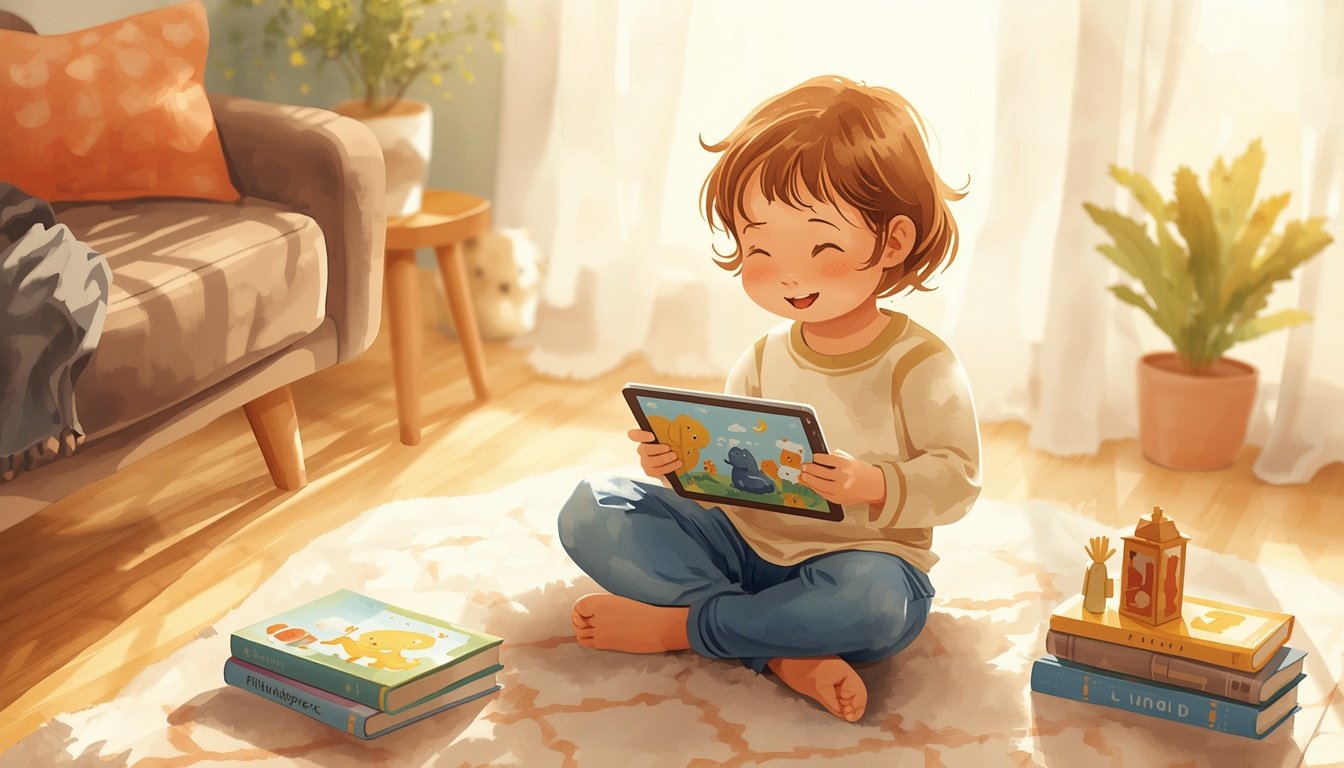
Digital storybooks for kids can turn even the most ordinary screen time into something meaningful. Been there, done that. It’s the end of a long day, you’re running on fumes, and handing them a tablet gives you fifteen quiet minutes to actually get dinner made. There’s no blame for that. But if you’ve ever wondered if that screen time could be doing a little more than just keeping your child occupied, here’s the good news: With the right approach, screen time and story time don’t have to be opposites.
Turning screen time into story time doesn’t mean eliminating screens entirely—that’s not realistic for most families, nor does it have to be the goal. It’s about making the time your child is already spending on a device more intentional, making at least some of it something that builds language, imagination, and a love of stories rather than passive scrolling. That’s how to actually make the shift without making it into a war.
Why This Shift Actually Matters
It’s easy to feel guilty about screen time, but guilt rarely changes behavior. What helps more is knowing exactly why story-based screen time is worth prioritizing over other types of content.
Not all screen time is created equal. Constant scene changes, no real narrative, and passive, fast-cut content tend to overstimulate young brains without giving much back. Story-based content, however, still offers many of the same benefits as a printed book: exposure to vocabulary, narrative structure, and the rhythm of storytelling.
It builds a bridge to independent reading. If your little one isn’t quite ready to read on his or her own, following along with a digital story, especially one that has read-aloud narration or highlighted text, will help them learn the structure of sentences and rhythm of language they will eventually use when they read books on their own. Early literacy organizations like Reading Rockets have highlighted how narrated digital stories can support pre-reading skills when used thoughtfully.
It can actually increase interest in physical books. Many children who love a story on a screen will want the same book in print. The screen becomes a portal, not a substitute, especially if a parent bridges the two intentionally.
It gives tired parents a genuinely better option. On those nights when you just aren’t up to reading aloud, a good digital storybook turns screen time into something to enjoy, not feel guilty about.
What Makes Digital Storybooks for Kids Actually Work
It’s not as helpful as simply turning on some sort of children’s content and calling it “story time.” There are a few things that really set a good digital story time apart from other passive screen time.
A clear narrative structure. Look for material that has a real beginning, middle, and end, not some loosely connected string of songs or skits. A real story arc is what makes a child understand how stories work.
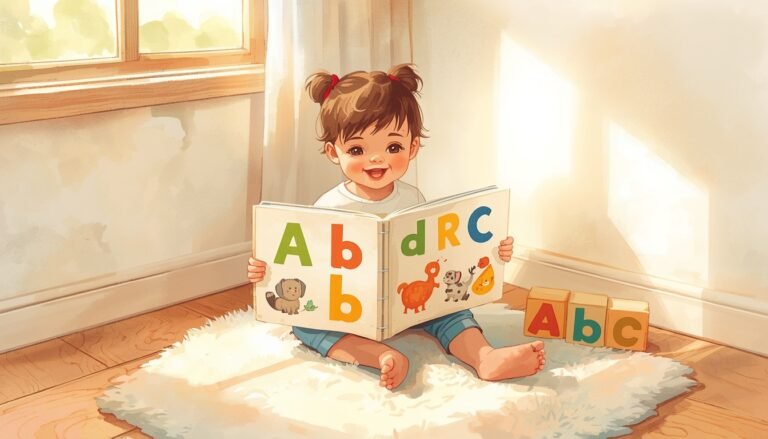
Read-aloud narration with expression. It is a soothing, lively narrator voice that mimics how a parent reads aloud, with pacing, emphasis, and tone that brings the words to life, rather than simply displaying text on a screen.
Illustrations that support the story, not distract from it. The best digital picture books use art in the way a printed book would, to help you understand the plot, not throw in garish animations that distract from the actual story.
Minimal interruptions. Interrupting the flow of a story with constant pop-ups, games, or “tap here” prompts changes a child’s focus from listening and imagining to clicking and reacting. The less flashy the format, the more it behaves like a real story.
Age-appropriate pacing. Just as with printed books, digital stories need to match a child’s attention span, shorter and simpler for toddlers, gradually longer and more detailed as they grow.
Practical Ways to Turn Screen Time into Story Time
Here’s where the real shift happens with digital storybooks for kids, not in theory, but in your actual daily routine.
1. Swap One Screen Session a Day for a Digital Storybook
You don’t have to change your whole routine overnight. Choose one screen time (like right after lunch or on a car ride) and swap out whatever is normally playing for a free digital storybook. Little, consistent changes add up way more than one big change that fails to stick.
2. Sit With Them, Even Just Sometimes
Digital story time doesn’t mean you hand over the device and walk away. Watching a story unfold with your child, even if it’s just for a few minutes, makes it a shared experience rather than solitary screen use, and gives you natural opportunities to ask questions or point things out.
3. Ask Questions Afterward, the Same Way You Would With a Book
Treat the digital story the way you’d treat a bedtime book: ask what happened, what your child’s favorite part was, or what they think might happen if the story continued. This reinforces comprehension and signals that the content matters beyond just filling time.
4. Use It as a Bridge to the Printed Version
If your child loves a particular digital story, look for a free printable or physical version of the same book. Reading the same story in both formats reinforces the material and helps kids see screens and books as connected, not competing.
5. Create a “Story Time” Ritual Around It
Instead of feeling open-ended and unstructured, give screen time a shape: “story time” occurs at a certain time of day, for a certain amount of time, and involves settling into a comfortable spot, just like you would with a physical book. The ritual itself teaches children that this is a special, unique kind of screen use.
6. Rotate In New Free Stories Regularly
And just like a physical bookshelf, the rotating collection of free digital storybooks keeps things fresh, exposing kids to a wider range of vocabulary, themes, and illustration styles than replaying the same three videos on a loop.
How to Choose Quality Digital Storybooks
Not everything labeled a “story” online is actually built like good digital storybooks for kids. A few things to look for:
Check for a real author or illustrator credit. Usually a good picture book credits a creator, even a digital one. This is often (but not always) a sign of more intentional storytelling than generic, mass-produced content.
Look for consistent illustration style. Careful production is often reflected in a story that feels cohesive throughout, rather than a mish-mash of conflicting art styles.
Read a preview first when possible. A quick scan of the first few pages says a lot. Is the language age appropriate? Is the pacing calm? Does it seem like a real story and not a vehicle for ads or upsells?
Favor shorter, complete stories for younger kids. A five minute story with a real ending is worth a lot more than a long story that fizzles out without a conclusion.
Setting Reasonable Expectations
It’s worth saying it plainly: this is not about achieving some ideal ratio of “good” versus “bad” screen time, and it is certainly not about eliminating screens altogether. There are times when screen time is simply a way to get through the afternoon, and that’s a perfectly legitimate use, too.
It’s not about shaming or guilt-tripping parents or caretakers, it’s about making story-based options truly accessible and normalized in your household so that when you do turn to a screen, there’s a meaningful, story-rich option sitting right alongside everything else. Even when it’s not happening with every single screen that comes out, small, repeated exposure to real narrative content adds up over time.
A Few Common Questions Parents Ask
Is digital story time as good as being read to in person?
Not really, nothing beats a parent’s voice and physical closeness when reading. But a good digital storybook is a significant improvement over generic screen content, and it’s a reasonable compromise when you can’t read aloud yourself.
How much digital story time is appropriate per day?
This will depend a lot on your child’s age and on your family’s overall approach to screen time. Many parents find it more useful to focus on making existing screen time more intentional, prioritizing story-based content within whatever total amount already works for their household, rather than fixating on a strict number.
My child gets bored of digital stories faster than physical books. Is that normal?
But that can happen, especially when the digital version doesn’t have the tactile engagement of turning pages or holding a book. Often, bridging that gap can be done by pairing digital and physical versions of favorite stories.
What age is appropriate to start with digital storybooks?
There’s no hard-and-fast rule, but most experts recommend limiting screen-based content for children under two. Digital storybooks are a more viable option for toddlers, as they approach preschool age, always accompanied by plenty of hands-on reading.
Where to Find Free Digital Storybooks
Usually this is the easiest part, once you know what to look for. There is a growing library of free, well-illustrated digital picture books that make it easy to create just this kind of intentional screen time, without requiring a subscription, an app purchase, or a long search through low-quality content. This is exactly where a solid collection of digital storybooks for kids makes the biggest difference for busy families.
If you want a quiet bedtime story, an adventure tale, or a gentle book about big feelings, having free, story-rich options handy means that the next time a screen comes out, there’s something truly worthwhile ready to go.
Signs This Approach Is Working
You don’t have to do a formal check-in to know if this shift is paying off. There are some small signs that crop up naturally: Your child starts to ask to “watch the story” by name, rather than just wanting screen time in general. They repeat lines or phrases from a digital story while doing other things, a sign that the language is really sinking in. Or they want you to read the printed version of a story they first encountered on a screen, which usually is the best clue that the digital version served as a bridge and not a dead end.
You don’t need to see any of these signs daily for the approach to be working. Even occasional moments like these suggest the shift from passive screen time to something more story-driven is taking hold, even if screens still constitute a meaningful chunk of your child’s day overall.
Final Thoughts
Screen time doesn’t have to be the enemy of good reading habits. With a few intentional changes, one swapped session, a few questions afterward, and a rotating stack of quality free stories, it can actually become part of how your child builds a love of stories, instead of something that competes with it.
Begin small. Choose one screen time slot this week and replace it with a free digital storybook. Watch your child and see how they respond. Do they lean in, ask questions, or want to watch it again? Build this habit going forward, one story at a time, whether the story is on a screen or in your lap, and let that be the guiding principle.
Looking for free, beautifully illustrated stories to fill that screen time with something meaningful? Explore our entire Kids Library for picture books great for storytime, any time.