Phonics Games for Kindergarten: 10 Easy Picks
If you’ve ever heard your kindergartner try to read “cap” as “c… a… p… cup?”, you know that sounding out words is hard work. Phonics, the link between letters and the sounds they make, is the key that unlocks reading. And the good news is that children learn it best the way they learn most things at this age: through play.
In this guide to phonics games for kindergarten, you’ll find 10 easy games that use things you already have at home, a simple weekly plan, and tips for what to do when your child gets stuck. No flashcard drills, no expensive programs, just short, playful practice that actually sticks.
What Phonics Means in Kindergarten
Phonics teaches children that letters stand for sounds and that there’s a predictable pattern linking the two. Once a child can hear the individual sounds in spoken words, they’re ready to connect those sounds to letters and start “decoding,” which means sounding out simple words.
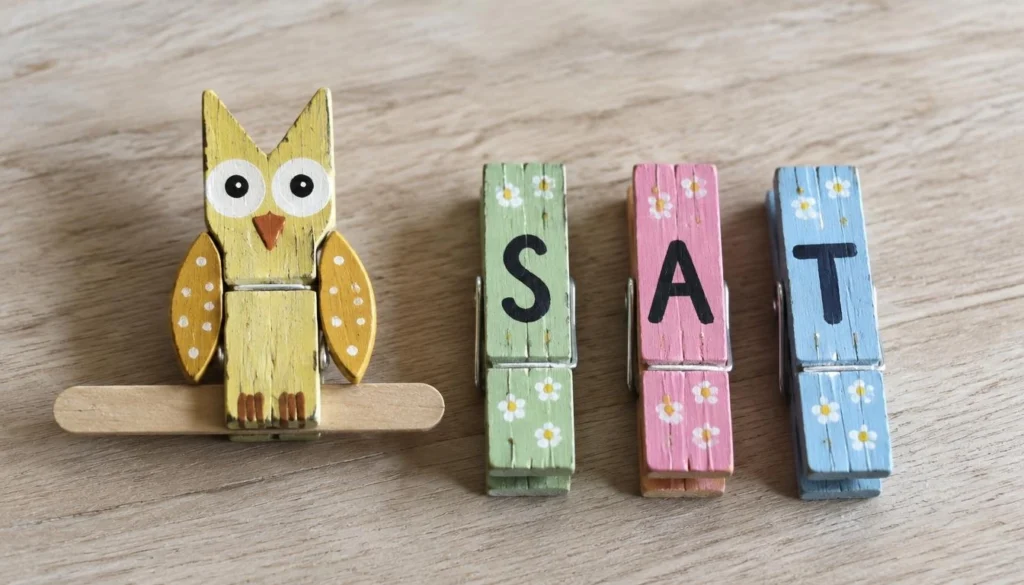
In kindergarten, children usually begin with simple three-letter words, called CVC words (consonant-vowel-consonant), like cap, sun, and pig. They say each sound separately, then blend the sounds into a word. This takes lots of practice, which is why games are such a gift. They let children repeat the same skill again and again without feeling bored.
Before You Play: A Few Simple Rules
- Letter names first, then sounds. Make sure your child knows the letter names and then the letter sounds before you move to blending words.
- Start small. Two or three new letters at a time is plenty.
- Keep it short. Five to ten minutes is a good game session.
- Be patient. Beginning readers read slowly. Give them time to work a word out before you jump in.
- Celebrate effort. A wobbly attempt deserves a cheer.
- Stop while it’s fun. If your child is tired or frustrated, take a break.
10 Easy Phonics Games for Kindergarten
1. Alphabet Scavenger Hunt
You need: A favorite picture book
Choose a book your child loves and ask them to find every letter of the alphabet in the print, in order, from A to Z. Some letters, like “q” or “x,” will be harder to spot. Ask, “Why do you think that one is tricky?” It’s a calm game that builds letter recognition and keeps eyes moving across the page.
2. Grocery Store Letter Hunt
You need: A trip to the shops (or your kitchen).
As you walk in, choose a letter, say, “p.” Then hunt for things that start with that letter: pasta, peas, pineapple, popcorn. Say each word slowly and stress the first sound: “p-p-pineapple.” It turns a boring errand into a phonics adventure.
3. Trace and Say
You need: A tray, plus sand, sugar, or flour
Pour a thin layer into a tray. Your child draws a letter with one finger while saying its sound out loud. Once they’re confident, try a tiny word like “at” or “sat,” and have them sound it out as they trace. Shake the tray to start fresh. The feel of the letter helps it stick.
4. Homemade Letter-Sound Dominoes
You need: Paper, scissors, a marker
Cut paper into domino-shaped cards, each divided in half. On one half, write a letter. On the other half, draw a picture that starts with a different letter, such as a sun for “s.” Players take turns matching a letter to a picture that starts with its sound. It’s quick to make and easy to play with one or two children.
5. Scrambled Word Boxes
You need: Paper and letter tiles (or magnets)
Draw three boxes side by side. Take a simple word like big, bug, or top, and scramble its letters beneath the boxes. Your child puts the letters into the right boxes to build the word, then reads it. Say each sound as you go, and blend them together at the end.
6. Fridge Word Ladder
You need: Magnetic letters
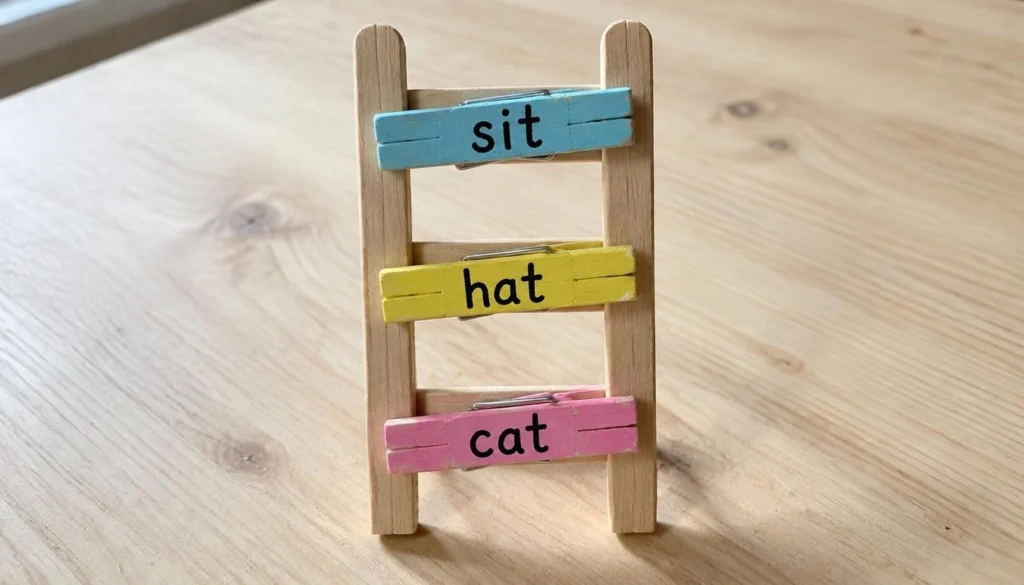
Spell a simple word, like cat, on the fridge. Then ask, “Can you change one letter to make a hat?” Then hit, then sit. Each change shows how a single sound changes a word, which is the heart of phonics. Let your child be the teacher and challenge you, too.
7. Roll and Read
You need: Three paper cups or three small boxes, paper strips, a marker
Write consonants on strips in one cup, vowels in another, and more consonants in the third. Your child draws one strip from each cup and lines them up to make a word. Some will be real words, like pan, and some will be silly nonsense words, like zig. Reading silly words is a great way to practice sounding out, since your child can’t rely on memory.
8. The H Brothers
You need: Paper and a marker
Explain that the letter “h” is a good friend. It joins other letters to make new sounds: sh, ch, th, wh, and ph. Write them on cards and make a character for each pair. Then ask your child to find words with each sound, like ship, chip, and thin. Using hand gestures for each sound helps children remember them.
9. Newspaper Treasure Hunt
You need: An old newspaper or magazine, scissors, glue
Ask your child to find and cut out any words they can read. Glue them onto a sheet of paper and read the collection together. It’s a quiet, confidence-building game that shows children how much they already know.
10. Sound Sorting Buckets
You need: Two or three small baskets and small objects or picture cards
Label each basket with a letter, such as “s,” “m,” and “t.” Give your child small objects or pictures (a sock, a mug, a toy tiger) and ask them to say the word slowly and drop it into the basket that matches its first sound. For a harder version, sort by the last sound.
Phonics Games for Kindergarten by Skill Level
| Level | What your child can do | Best games |
| Just starting | Knows some letter names, learning sounds | Alphabet Scavenger Hunt, Grocery Store Hunt, Trace and Say |
| Growing | Knows many letter sounds, starting to blend | Letter-Sound Dominoes, Sound Sorting Buckets, Scrambled Word Boxes |
| Ready for more | Blends CVC words, learning new letter pairs | Fridge Word Ladder, Roll and Read, The H Brothers, Newspaper Treasure |
If you want more help with early reading words, our guide to sight words for kids has fun games for common words that don’t follow the usual rules.
A Simple Weekly Phonics Game Plan
Short and regular beats long and rare. Try this easy pattern:
| Day | Game (about 10 minutes) |
| Monday | Alphabet Scavenger Hunt |
| Tuesday | Trace and Say |
| Wednesday | Sound Sorting Buckets |
| Thursday | Fridge Word Ladder |
| Friday | Free choice, plus a read aloud together |
If your child wants to keep going, great. If not, stop and try again tomorrow.
What to Do When Your Child Gets Stuck
Every child hits a wall sometimes. Here’s how to help without taking over:
- Wait a moment. Give your child time to try.
- Point to the first letter. Ask, “What sound does this letter make?”
- Only do this for words that can be sounded out. If a word is tricky and doesn’t follow the usual rules, like “was” or “said,” simply tell your child the word.
- Go back a step. If blending is too hard, return to letter sounds for a few days.
- Praise the effort. “I love how you kept trying!”
For more on how reading skills build in kindergarten, see our guide to reading for kindergarten.
Add Decodable Books to Your Games
After a week of games, give your child a book that matches what they’ve been practicing. Decodable books contain a high percentage of words with predictable letter-sound patterns, so children can read them by sounding out. Used alongside plenty of read alouds, they give children a chance to feel like real readers. Keep reading aloud as well, since stories with rich vocabulary build understanding.
Common Mistakes to Avoid
- Moving to blending too soon. Make sure your child knows the letter sounds first.
- Playing for too long. Ten minutes is plenty.
- Skipping the fun. If a game feels like a test, change it.
- Correcting every error. Wait, then gently help.
- Teaching too many letters at once. A few at a time works better.
- Comparing children. Every reader moves at their own speed.
- Giving up on read alouds. Stories remain just as important.
When to Ask for Extra Help
If your child still struggles to remember letter sounds after weeks of regular, playful practice or finds blending extremely hard, talk to their teacher. Some children need extra support, and early help can make a big difference. For more parent-friendly ideas, see phonics and decoding activities for your kindergartener from Reading Rockets.
Final Thoughts
The best phonics games for kindergarten are short, playful, and pressure-free. Pick one or two from this list, gather a few simple things from around the house, and play for ten minutes. Over time, those small games add up, and you’ll watch your child go from “c… a… p…” to “cap!” with a proud grin.
Keep the mood light, celebrate progress, and remember that reading grows from joy. And when a game ends, a cozy story is always a great next step.
Frequently Asked Questions
What are the best phonics games for kindergarten?
Simple, hands-on games work best, such as alphabet scavenger hunts, sound sorting, building words with magnetic letters, and changing one letter to make a new word.
What age should kids start phonics games?
Many children begin phonics in kindergarten, around ages 5 to 6, once they know some letter names and sounds. Younger children can start with sound and rhyming games.
How long should a phonics game last?
Five to ten minutes is usually plenty. Short, regular sessions work better than long ones.
Should I teach letter names or letter sounds first?
Many experts suggest starting with letter names, then letter sounds, before blending sounds into words.
What if my child can’t blend sounds into words?
Go back to letter sounds and sound games for a few days, then try again with very short words like “at” and “sat.” Blending takes lots of practice.
Do I need to buy anything for phonics games?
No. Paper, a marker, magnets, and everyday objects are enough for all of the games in this guide.