Free Alphabet Books to Help Kids Learn Their ABCs
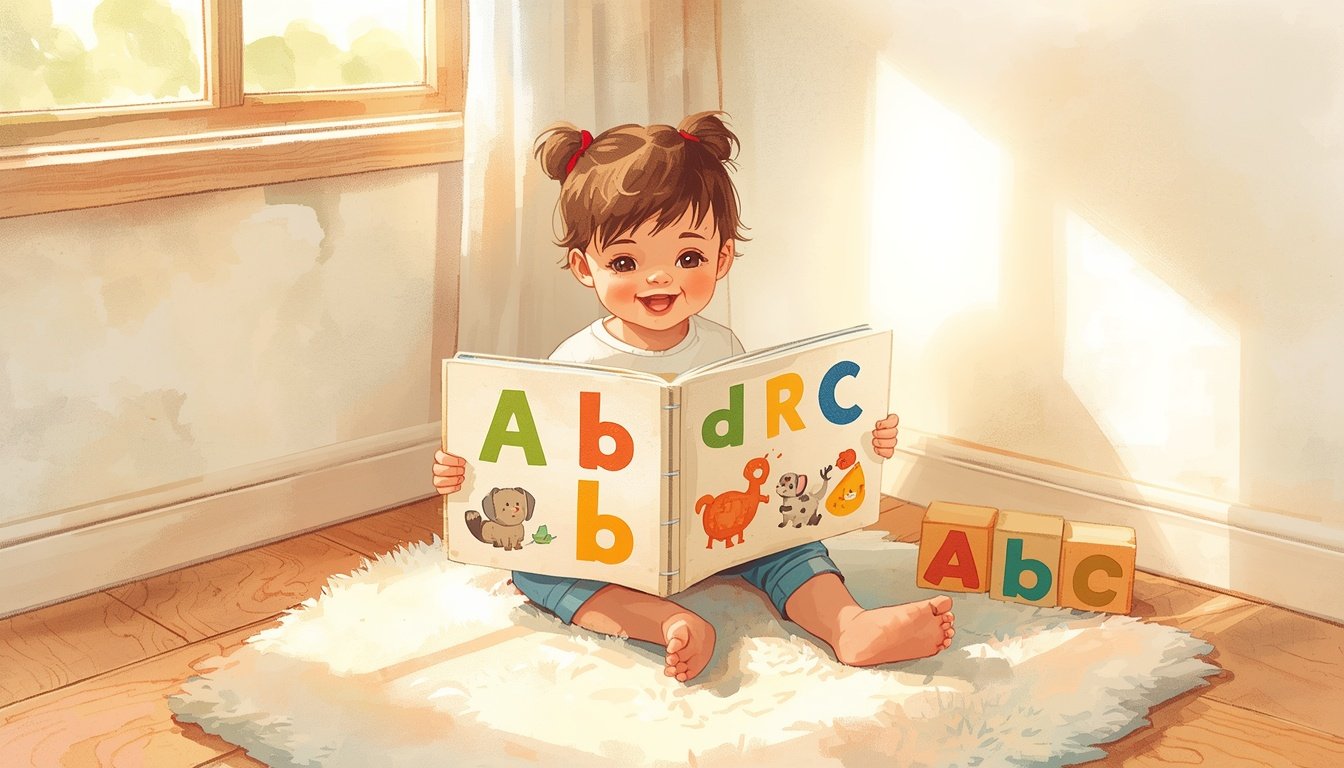
Every parent remembers the moment their kid points to a letter and actually calls it by name. Not just mechanically singing the alphabet song, but really seeing that the curvy shape is a “B” or that the pointy one is an “A.” It’s a little moment, but it’s a really big one too, the first real crack in the code of reading.”
That moment usually starts with alphabet books. And the good news is you don’t have to buy a stack of expensive workbooks to get there. There is a world of free alphabet books for kids that make learning letters more like a fun picture book and less like sitting through a lesson. In this guide, we’ll cover why alphabet books matter more than they’re given credit for, what makes a good one, and where to find free options that help those ABCs stick. In this guide, we’ll go through why free alphabet books for kids matter more than they get credit for, what actually makes one effective, and where to find free options that make ABCs stick.
Why Alphabet Books Are More Than Just “ABC, Easy as 123”
Alphabet books are often seen as simply a box to tick off, going through the letters and then moving on to reading. But there’s a lot going on under that simple format. Here’s why free alphabet books for kids deserve more credit than they usually get.
They are the building blocks for everything else. Letter recognition is one of the best predictors of reading success later on. The alphabet books are often the first real, repeated exposure to that skill a child has before they are able to sound out words, so they need to be able to recognize individual letters reliably.
They make the letters hook up with something real. A letter alone is just a shape. A is for Apple, and by putting a picture next to it, it gives a child something to anchor it to. That link between abstract symbol and real thing is just the way early learning tends to stick.
They construct words as well as the alphabet. A good alphabet book does more than show 26 shapes; it quietly teaches dozens of new words—animals, objects, and actions—all associated with a letter a child is working hard to remember.
They give a sense of getting somewhere. The alphabet is unlike a lot of early learning in that it has a clear, visible sequence. Kids can see themselves moving from A to Z, which gives them a real, tangible sense of “I’m getting somewhere” that keeps them motivated to continue. This kind of visible progress is something early literacy experts at Reading Rockets highlight as a key motivator for young learners.
They make the repetition sound natural, not dull. Most alphabet books are the same page after page: letter, picture, word, and kids get the repeated exposure without it ever feeling like drilling.
What Makes an Alphabet Book Actually Work
Not all ABC books are the same. Some letters of true help remain. Others are browsed once and then forgotten. That’s where the two differ.
Here’s what separates the ones that genuinely work from forgettable free alphabet books for kids.
One picture for each letter. To a beginner, one letter on a page with five different objects is confusing. The best alphabet books use one clear, identifiable picture for each letter, and there is no confusion about what is being named.
Familiar and common words. “A is for Apple works because children already know what an apple is. “A is for Anteater” is cute, but a toddler who’s never seen one will find the word does much less to reinforce the letter. Look for books that feature common, recognizable objects, especially for young children who are just beginning to read.
Consistent formatting. A big letter, a clear picture, a short word, and a book that does the same thing on every page give kids a rhythm they can count on as they go through the alphabet.
Bright, colorful pictures. Letters aren’t much fun for a three-year-old by themselves. Usually, it’s the colorful, appealing artwork that makes a child want to open the book in the first place.
Uppercase and lowercase letters. Many alphabet books only show capital letters, but children will need to recognize both forms eventually. Books that introduce both gently, even just visually, give kids a leg up on this later challenge.
A little bit of playfulness. The best alphabet books tend to have a bit of personality, silly rhymes, fun sounds, and a touch of humor, rather than seeming like a flash card deck stretched out into a book.
Types of Free Alphabet Books Worth Exploring
Not all free alphabet books for kids look the same, and knowing the different styles helps you pick the right one for your child’s stage and interests.
1. Classic Object-Based ABC Books
These are the traditional “A is for apple, B is for ball” type books. They are simple, reliable, and easy to follow and are often the best starting point for toddlers and young preschoolers who are seeing letters for the first time.
2. Alphabet Books for Animals
Alphabet books that feature a different creature for each letter tend to hold attention especially well because kids are naturally drawn to animals. A is for Alligator or L is for Lion takes two things kids already love—animals and repetition—and turns them into a fun format.
3. Rhyming Alphabet Books
Some alphabet books turn it all into some sort of rhyme. This makes the learning musical and memorable.” The rhyme helps kids know what’s coming next, and many kids end up “reading” these books from memory, long before they can actually decode the letters themselves, which is still a valuable pre-reading skill.
4. Action or Concept-Based Alphabet Books
Other alphabet books go beyond objects, associating each letter with an action or simple concept, “D is for Dance” and “J is for Jump. These add a physical, interactive element, letting kids act out the letter while they learn it, which is especially useful for wiggly toddlers who learn best through movement.
5. Story-telling alphabet books
A slightly more advanced style that involves the whole alphabet in a loose storyline, following a character from A to Z. These work well for a slightly older preschool student who is ready for a little more story with the letter learning.
How to Use Alphabet Books Effectively at Home
Having free alphabet books for kids at home is one thing. Making them actually work is another.
Don’t go through the entire alphabet all at once. Five or six letters at a time is often plenty, especially for younger toddlers. Trying to get through all 26 at once tends to teach rather than overwhelm.
Point and say every time. Consistently pointing at the letter and saying its name and sound out loud is better than almost anything else for retention. Here the motor is repetition.
Connect letters to your child’s own world. If your child’s name begins with “M,” spend extra time on that page. A personal letter is far more memorable than any abstract exercise could ever be.
Let them “read” it back to you. Even before a child can actually identify every letter, encourage them to flip through and try naming what they remember. This builds confidence and reinforces memory, even when they get a few wrong.
Revisit favorite letters outside the book. If your child likes the “D is for Dog” page, look for the letter D on cereal boxes, street signs, or toy packages the rest of the day. The lessons in the book stick even more firmly with real-life reinforcement.
Keep a rotating stack. Alphabet books are fun to collect, and there’s no reason not to have more than one. Different styles of illustration and word choice provide kids with a broader, richer encounter with the alphabet than any one book can.
Common Questions Parents Ask About Alphabet Books
Here are a few things parents often wonder when it comes to free alphabet books for kids.
What age should a child start with alphabet books?
Most children are ready to begin to enjoy alphabet books in a light, pointing-and-naming way at about 18 months to 2 years of age. Real letter recognition is a more serious matter between the ages of 3 and 4, but early low-pressure exposure long before that age builds familiarity.
Should I teach letter names or letter sounds first?
This depends on the expert, but many early literacy specialists recommend introducing both at once when possible, the name “B” as well as the sound it makes. Alphabet books that have both tend to give kids a stronger foundation for reading later.
My child knows the alphabet song but doesn’t recognize the letters. Is that normal? Normal, normal, normal. Very common. The song is a memorization skill. Recognizing individual letters is a visual skill. And that’s the gap that alphabet books help fill, connecting the sounds your child already knows to the shapes they still need to learn.
How long does it typically take for a child to learn all 26 letters?
It varies a lot, and there is no hard and fast timeline to worry about. Most kids know most of the letters between 3 and 5. It’s a gradual process, not a sudden event.” The specific age goal is usually much less important than steady, low-pressure exposure to books.
Where to Find Free Alphabet Books for Kids
This is often where parents get stuck. If you are purchasing a new alphabet book every few months as your child’s interests change, the cost of alphabet books, particularly the nicely illustrated ones that kids actually like to look at, can add up. That’s exactly where free alphabet books for kids make the biggest difference for busy families.
That’s where a free digital library can come in handy. Try out a variety of alphabet books that are object-based, animal-themed, and rhyme and story-driven, with a growing collection of free, colorfully illustrated picture books, all without spending any money or committing to one style. Rather than hoping the one alphabet book you have will work with your child, you can switch to a new and free option whenever the current one begins to feel stale.
Signs Your Child Is Ready to Move Beyond the Basics
At some point most kids grow out of the “point and name” stage and start showing signs that they are ready for a little more challenge. Things to look for: your child starts to identify letters outside of the context of the book, such as on signs, packaging, or their own name, without you prompting. They start to see letters make words, even if they can’t read the words. Or they begin asking what sound a letter makes, instead of just its name—often the first real step toward blending letters into words. At this stage, free alphabet books for kids can gradually give way to slightly more advanced reading material.
This is not to say that alphabet books are dead and buried, many children still love them well into the early reading stage. But they’re a good cue to start layering in books that build on letter recognition, simple word books, early readers, and rhyming stories using the letters your child knows.
Final Thoughts
Learning the alphabet is one of those milestones that seem small in the moment but is actually the gateway to everything else, reading, writing, and ultimately a whole world of books your child gets to explore on their own. Alphabet books make that first step feel like play, not pressure—and that’s just how early learning works best. That’s exactly the kind of head start free alphabet books for kids are designed to give.
Start with one free alphabet book this week. Notice which style your child responds to best—simple objects, animals, rhymes, or a little story—and let that guide which one you turn to next. Just give it some time, some repetition, and lots of pointing and naming, and you’ll likely watch your child go from reciting the alphabet song to actually recognizing the letters themselves, one familiar page at a time.
Looking for free, beautifully illustrated alphabet books and more? Browse our full kids’ library for storybooks perfect for every stage of early learning.