Online Homeschooling: Free Books, Tips and Activities
Online homeschooling has moved from a niche concept to a real option for many families. Or maybe your child is overstimulated in a busy classroom. Maybe your family travels a lot, or you just want more of a say in what your child learns and how. Whatever the reason, the first question is usually the same: where do I begin?
This guide answers that question in plain language. You’ll find out what online homeschooling is really like, how to tell if it’s a good fit for your child, how to set up a simple routine, and where to find free books and reading activities so you don’t have to spend a fortune on materials.
What Is Online Homeschooling?

Online homeschooling means a child learns from home, and some or all of the lessons are delivered via the internet. That can look very different from one family to another.
Some families use an entire curriculum online with video lessons and assignments. Others combine the two: a math app in the morning, a library book in the afternoon, and a science experiment in the kitchen. Parents tend to stay closely involved, acting more as guides and coaches than as lecturers.
The main difference from regular school is control. You choose the pace, the tools, and the schedule.
Is Online Homeschooling Right for Your Child?
There is no single right answer, and it helps to be honest about both sides.
It often works well when:
- A child learns faster or slower than the classroom pace and gets bored or lost
- Your family needs a flexible schedule because of travel, work, or health
- A child does better with quiet, one-to-one attention
- You want to build lessons around your child’s interests, such as dinosaurs, space, or drawing
Think carefully if:
- Neither parent can be around for most of the day, since younger children need regular adult support
- Your child depends heavily on classroom friends and activities
- You’re not sure you have the time or energy to plan lessons every week
A good test is to try it for a short period, such as one month, before making a big decision. Treat it like a trial, not a life sentence.
Check the Rules in Your Country First
Homeschooling rules are very different from country to country. In some places it is simple and widely accepted. In others it needs approval, registration, or is heavily restricted.
Before you start, check your own government’s official education website, or contact your local education authority. Rules also change over time, so rely on official sources rather than blogs or social media posts, including this one.
How to Start Online Homeschooling in 6 Steps
1. Be clear about your “why.” Write down the main reasons you want to try it. When a hard week comes, this reminds you why you started.
2. Learn your child’s learning style. Does your child love pictures, stories, hands-on projects, or quiet reading? Watch for a week and take notes. This shapes everything else.
3. Choose a simple setup. You don’t need ten tools. Start with one main resource for core subjects (maths, reading, writing) and add extras slowly.
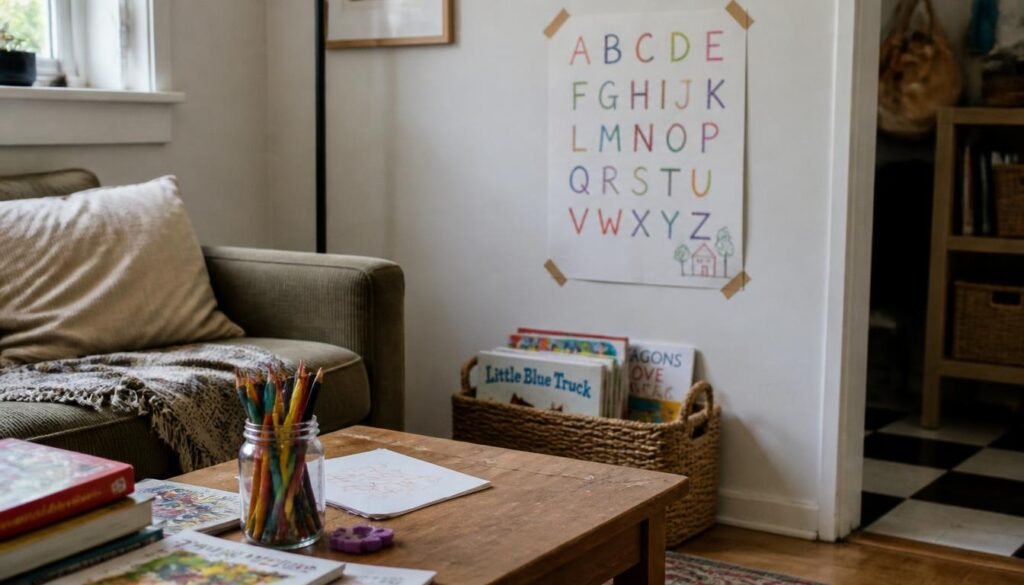
4. Create a learning corner. A small table, a basket of books, and a few pencils are enough. A tidy, calm spot helps children switch into “learning mode.”
5. Build a flexible routine. Short, predictable blocks work better than long, strict hours. More on this below.
6. Review every month. Ask your child what they enjoyed and what felt boring. Adjust. The best part of homeschooling is that you can change things quickly.
Free Books for Your Online Homeschooling Routine

Books are the heart of any good homeschool day, and you don’t need to buy them all. Here are free places to look.
- Your own kids library. Our kids library has free picture books and stories you can read online or download, sorted by age. This is a good first stop.
- Open Library (openlibrary.org) lets you borrow digital copies of many books for free.
- Project Gutenberg (gutenberg.org) offers thousands of classic stories whose copyright has expired, which are great for older readers.
- Your local public library. Many libraries offer free e-books and audiobooks through apps with a library card.
A simple way to choose books by age:
| Age | What to look for |
| 3 to 5 | Picture books, rhymes, short bedtime stories |
| 6 to 8 | Early readers, funny stories, simple animal tales |
| 9 to 12 | Chapter books, adventure, mystery, beginner non-fiction |
Let your child pick at least half of what they read. A child who chooses their own book is much more likely to finish it.
Reading and Writing Activities That Feel Like Play

Reading and writing don’t have to mean worksheets. Try these.
- Read-aloud time. Ten to fifteen minutes a day, with silly voices. Stop at an exciting moment and ask, “What do you think happens next?”
- Story retelling. After reading, your child tells the story back in their own words or draws it in three or four pictures.
- New word jar. Write unfamiliar words on slips of paper and drop them in a jar. Pick one each day and use it in a sentence.
- Letter to a character. Ask your child to write a short letter to their favorite story character.
- Rewrite the ending. What if the wolf was actually friendly? Let your child invent a new ending.
- Family storytelling night. Each person adds one sentence to a story. It gets funny fast.
- Book review cards. A simple card with a title, a star rating, and one sentence about why they liked it.
- Library hunt. Give your child a list of things to find in a story (a red door, a talking animal, a storm).
For more ideas on reading with children, the Reading Rockets parent tips are a trusted place to explore.
A Simple Daily Routine You Can Copy

Younger children often manage about 2 to 3 hours of focused learning a day. Older children can handle more, but short sessions with breaks work best. Here is a flexible example:
| Time | Activity |
| Morning | Reading together and a short writing task |
| Mid-morning | Maths or a logic game |
| Snack and play | Movement, outdoors, or free play |
| Late morning | Science, art, or a project |
| Afternoon | Free reading, a nature walk, or a video lesson |
This is only a starting point. If your child is sharpest in the afternoon, move the hard subjects there. A routine should serve your family, not the other way around.
Common Mistakes to Avoid
- Copying school at home. Six hours at a desk is not necessary and often backfires.
- Buying everything at once. Start small. You can always add more later.
- Comparing your child to others. Each child moves at their own pace.
- Skipping breaks and play. Play is how children process what they learn.
- Doing it alone. Talk to other parents, in person or in online groups. Shared tips save time and stress.
Keeping Social Life Alive
A common worry is that children will miss out on friends. This is manageable with a little planning. Look for local clubs, sports, library events, art classes, or meetups with other homeschooling families. Even a weekly park day makes a big difference. Online learning works best when it is balanced with real-life time with other children.
Final Thoughts
Online homeschooling is not about being a perfect teacher. It’s about giving your child a learning environment that fits them and staying flexible when things don’t go to plan.
Start small. Pick a few good books, build a gentle routine, and watch what your child enjoys. You will learn quickly what works. And if you need more stories to get going, explore the free books in our kids library and make reading a part of every day.
Frequently Asked Questions
What is online homeschooling?
Online homeschooling is when a child learns at home with lessons delivered partly or fully through the internet, while parents guide and support the learning.
Is online homeschooling good for kids?
It can be, especially for children who need a flexible pace or quieter learning. It works best when parents stay involved and children also get time with other kids.
How do I start online homeschooling?
Check the rules in your country, choose a simple curriculum or set of resources, create a small learning space, and build a flexible daily routine. Review it every month.
How many hours a day should online homeschooling take?
Many younger children do well with about 2 to 3 hours of focused learning, plus breaks and play. Older children may need more, but quality matters more than the number of hours.
Where can I find free homeschool books?
Try your local library, Open Library, Project Gutenberg, and free kids libraries online, such as ours.
How do homeschooled kids make friends?
Through clubs, sports, library events, art classes, community groups, and meetups with other homeschooling families.
Is online homeschooling legal everywhere?
No. Rules differ by country and can change, so always confirm with your official education authority.