Best Books for 4 Year Olds: Fun & Educational Picks
Best Books for 4 Year Olds: Fun & Educational Picks
Three is a big jump to four. You suddenly have a child who wants to know why the sky is blue, can follow a story with an actual plot twist, and will absolutely correct you if you try to skip a page. Four-year-olds sit right on the cusp of kindergarten, so books must pull double duty now: fun enough to warrant a bedtime “one more,” but they can also start to do some real legwork: letters, numbers, feelings, and the occasional fact about why volcanoes explode.
In order to choose suitable books for four-year-old children, it becomes necessary to strike a perfect balance between two goals that have an inseparable relationship with each other, and these goals are making the stories interesting and giving the children exposure to texts that help build up skills needed by them when they start schooling. Below are listed such books that can serve as a useful catalog for the age group mentioned above.
Why Reading at Age 4 Matters More Than Ever
Four is often the year vocabulary really takes off—kids start using longer sentences, asking more complex questions, and picking up on humor and wordplay in a way they couldn’t quite manage at three. It’s also, for a lot of families, the last full year before kindergarten, which makes reading habits at this stage genuinely useful preparation rather than just a nice-to-have.
Books at four start doing more than just entertaining. They introduce letter sounds, early number concepts, and the kind of “how things work” curiosity that lines up almost perfectly with what a lot of preschool and kindergarten programs expect kids to already be curious about. They also keep building social-emotional learning. Four-year-olds are working through bigger feelings now (fairness, friendship, frustration), and stories give them a low-stakes way to practice recognizing all of that before they have to handle it for real.
There’s also a listening-comprehension piece that’s easy to overlook. Following a story with an actual plot, a problem, some back-and-forth, and a resolution trains a kind of attention that’s different from just enjoying pretty pictures. That skill transfers directly to a classroom setting, where a child will spend a lot of the day listening to a teacher talk through multi-step instructions and stories.
What to Look for in a Book for This Age
Four-year-olds can do more than they could at three, but “more” doesn’t mean “a lot more” yet. Some common threads among the best picture books for this age group:
- A real (if simple) plot—a beginning, a problem, and a resolution, rather than just a loose sequence of images
- A bit of humor or wordplay—four-year-olds are just starting to “get” jokes, and books that lean into this tend to become fast favorites
- Slightly longer sentences — still short, but with room for a few more ideas per page than a toddler board book
- Characters with a bit of personality — four-year-olds notice and remember characters, not just events
- Something to learn, even if it’s subtle—a letter, a number, a fact, or a feeling, worked into the story rather than bolted on
Fun Picks: Books Four-Year-Olds Actually Ask For
Silly and Humor Books
By four, kids have developed a real sense of humor, and they love feeling “in on the joke. “Books built around exaggerated situations, funny voices, or a character who keeps getting things comically wrong tend to become the ones requested every single night. This is also the age where kids start “getting” running jokes across a book, so callbacks and repeated silly lines land especially well. Don’t be surprised if your child starts reciting the funny parts before you even get there.
Adventure and Imagination Stories
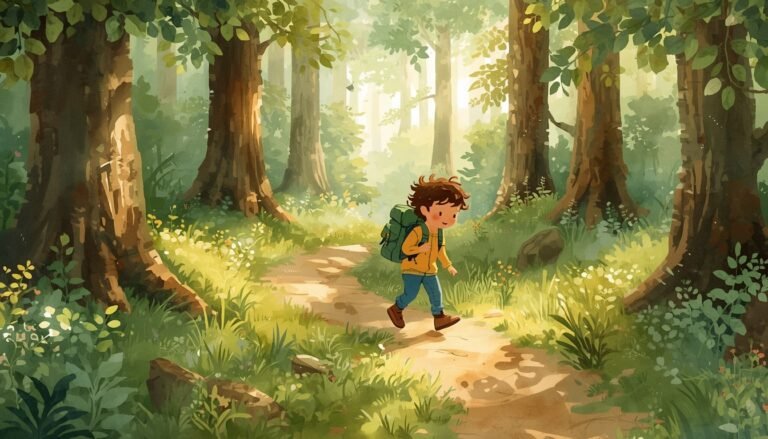
Four-year-olds have long enough attention spans to follow an actual journey now, a trip through a forest, a search for something lost, or a small quest with a clear goal. These stories work especially well because they mirror how kids this age are already playing: with a beginning, some obstacles, and a satisfying ending. They’re also a natural bridge toward longer books down the line, since your child is essentially practicing how to follow a plot.
Animal and Character-Driven Favorites
Whether it’s a mischievous monkey, a determined dinosaur, or a cat with a very specific taste in shoes, four-year-olds latch onto a good character. Books with a recurring character, especially ones that come in a series, tend to get requested by name once your child has a favorite, which makes future book-picking a lot easier since you already know what’s likely to land.
Educational Picks: Learning Without It Feeling Like Learning
Alphabet and Early Phonics Books
Four is a prime letter-recognition age for a lot of kids, and the best alphabet books make this feel like a game rather than a worksheet. Think bold, colorful pages built around a theme like food, animals, or silly creatures rather than a plain A-to-Z chart. These books quietly build the phonics foundation that kindergarten reading instruction will build on, without ever needing to feel like practice.
Counting and Early Math Picture Books
Early number sense doesn’t use flash cards. A book that embeds counting in a story, counting animals hidden on a page, counting steps on an adventure, or counting down from bedtime teaches the same skill without any of the drilling. Find books where the numbers feel like part of the story and not an add-on, because that’s what keeps kids engaged past the first few pages.
Science, Nature, and “How Things Work” Books
Children at age four are known for their endless questioning, and the ones that explain why the moon changes phases, how a caterpillar turns into a butterfly, why there is lightning and thunder, and so forth help to meet that need better than a quick response ever could. These books also provide an introduction to science vocabulary that will be used in kindergarten.
Feelings and Friendship Books
Social situations in kindergarten include sharing, taking turns, and handling conflicts with peers. In stories about a character that is jealous, disappointed, or facing trouble from a friend, young children have a guide on how to handle the situation, even if they have not yet faced it personally. This is an easy way to practice a discussion you may need while in a meltdown.
Signs Your Four-Year-Old Is Ready for Longer Stories
Every kid moves at their own pace, but a few signs suggest it’s time to introduce slightly longer books or very early readers:
- They ask follow-up questions about the story after you’ve finished
- They can recall details from a book you read a few days earlier
- They sit through a full picture book without losing interest partway through
- They start asking for books “with more pages.”
- They try to “sound out” a few familiar letters or short words on their own
If you’re seeing these, it’s worth trying a longer picture book or an easy early reader alongside your usual rotation; just keep a few shorter favorites in the mix too, since kids this age still enjoy going back to simpler books they’ve already outgrown on paper but not in practice. There’s no real downside to moving slowly here; a four-year-old who sticks with picture books a little longer isn’t falling behind; they’re just building a deeper love for them first.
Building a Reading Routine Before Kindergarten
A consistent routine matters more than a huge book collection. A few things that tend to work well at this age:
- Let your child “read” to you sometimes—even if they’re mostly reciting from memory, this builds real pre-reading confidence
- Point out letters and words occasionally—not as a lesson, just a casual “look, that starts with the same letter as your name.”
- Keep a mix of fun and educational books in rotation—leaning too hard into “educational” often backfires by making reading feel like a chore
- Visit the library regularly if you can—letting your four-year-old pick their own books, even questionable ones, builds ownership over reading that sticks
Common Mistakes Parents Make at This Age
- Jumping to chapter books too early—a four-year-old who isn’t ready yet may lose interest in reading altogether if books suddenly feel like work
- Over-explaining the lesson—if a book teaches sharing or patience, let the story do the work instead of following up with a mini lecture every time
- Dropping picture books once “learning” books enter the mix—four-year-olds still need and enjoy simple, silly stories, even as they take on more advanced ones
- Assuming interest means mastery—loving a counting book doesn’t mean a child has mastered counting, and that’s completely fine at this age
- Comparing progress to other kids’ reading levels—four-year-olds develop pre-reading skills at very different paces, and a slower start rarely says anything about where a child will be even a year from now
A Simple Way to Judge a New Book
Before you commit to the whole book, read the blurb or first page to your child. If they immediately ask a question or make a comment, it is usually a good sign that they are hooked on the story or subject matter. A blank stare or silence means keep browsing and don’t push through.
Well-Loved Titles Worth Looking Up
A few titles come up again and again for this exact age, mixing fun and gentle learning:
- The Gruffalo — a rhyming forest adventure with a clever, satisfying twist that holds attention start to finish
- Dragons Love Tacos — a laugh-out-loud premise involving dragons, tacos, and a very specific salsa problem that’s become a modern read-aloud favorite
- If You Give a Mouse a Cookie — a silly chain-reaction story that quietly teaches cause and effect
- Llama Llama Red Pajama — gentle and rhythmic, great for talking through big bedtime feelings
- How Do Dinosaurs Say Goodnight? — dinosaurs plus bedtime humor, a reliably winning combination at this age
- The Rainbow Fish — a classic, simple entry point into conversations about sharing and friendship
- Eating the Alphabet — a colorful, food-themed way to reinforce letters without a single worksheet in sight
- Pete the Cat: I Love My White Shoes—rhythmic and repetitive, and it quietly teaches a good attitude about mistakes
- Curious George — a gentle, funny introduction to curiosity, and its occasional consequences
Most of these are easy to find at a local library, so there’s no need to buy everything at once just to see what sticks.
Frequently Asked Questions
How long should a book be for a 4-year-old?
Most four-year-olds do well with picture books of 20 to 32 pages. Some are ready for a little longer story or easy reader but are not in a rush to leave picture books behind.
Should my 4-year-old be reading on their own?
Not yet, but not necessarily. Some four-year-olds begin to recognize simple words, but most are still in the listening and following along stage, which is where they should be at this age.
What if my child only wants to read the same few books again and again?
That’s all right. Repetition at this age still builds vocabulary and comprehension even if it means hearing the same story for the fiftieth time this month.
Do we really need educational books at this age?
Not exactly, but throwing in a few here and there along with some fun stories usually makes the transition to kindergarten easier without adding any real pressure at home.
What is the difference between a picture book and an early reader?
Picture books are to be read to your child, and the story is told in pictures as well as words. Early readers are short, repetitive sentences for a child to sound out themselves. Most four-year-olds are still firmly in picture-book land, and that’s precisely where they ought to be.
Free Illustrated eBooks for Kids
If you want to keep new stories coming without spending on every title, 1920 Agency offers free, illustrated children’s eBooks built for exactly this age group: simple, engaging stories with the same fun-meets-learning balance covered here. It’s an easy way to add to your rotation between library trips, at no cost.
Final Thoughts
The best books for 4 year olds don’t have to be complicated, and they definitely don’t have to be one or the other, fun or educational. The best ones quietly do both: a silly story that happens to teach a letter, a bedtime book that happens to work through a big feeling, an adventure that happens to build the same attention span your child will need once kindergarten starts.
Keep a mix on hand, let your child gravitate toward their favorites, and don’t worry about ticking off every “must-read” list you find online, including this one. Some nights you’ll read something new and educational; other nights it’ll be the same silly dragon-and-tacos story for the fourth time this week, and that’s not a step backward.
If you’re the parent quietly stressing over whether your four-year-old “should” be further along by now reciting letters, sitting through longer books, or showing more interest in the alphabet ones than the silly ones, ease up a little. Kindergarten teachers see an enormous range of readiness walk through the door every August, and the kids who show up genuinely excited about story time tend to catch up fast on the technical side once school starts. Curiosity turns out to be the real head start here, not a memorized list of letters.
It’s tempting to feel like every book needs to be “doing something” at this age: teaching a letter, modeling good behavior, or quietly checking a kindergarten-readiness box. Most nights, it really doesn’t have to be that deliberate. A four-year-old who’s used to being read to, who connects books with your voice and your full attention rather than a lesson, is already building the habit that matters most. The letters and numbers have a way of following on their own, usually right on schedule.
The books that matter most are the ones your four-year-old actually wants to hear again, one more time, tonight, silly, educational, or some accidental mix of both.