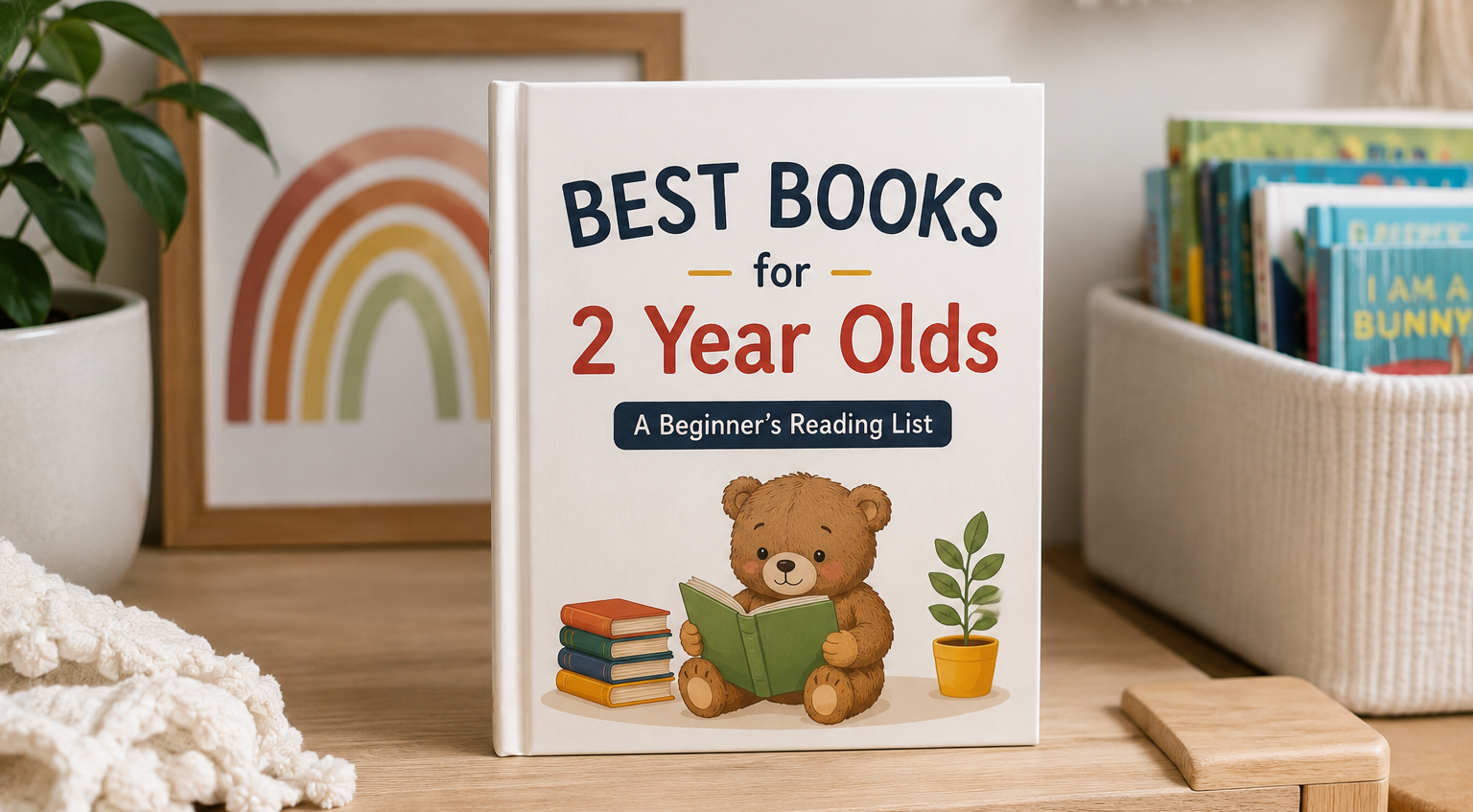
Best Books for 2 Year Olds: A Beginner’s Reading List
Best Books for 2 Year Olds: A Beginner's Reading List
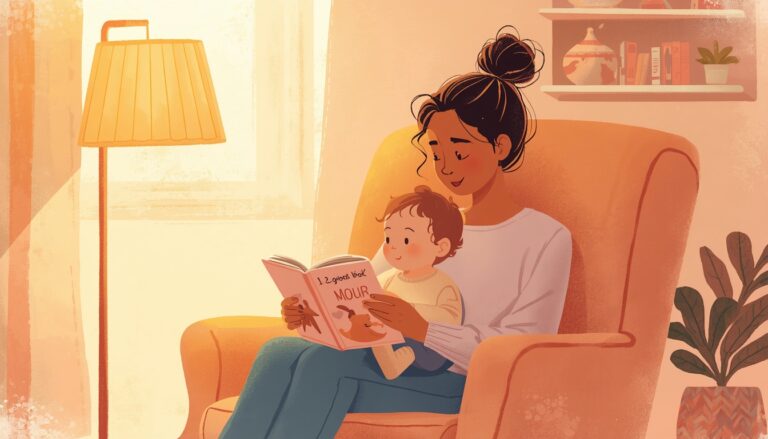
If you have ever given your two year old a book and had them bite the corner of it, fling it around the room, or insist that the same three pages be read for the 40th time in a row, then congratulations – you’re a parent of a toddler. It’s messy. It’s tiring. But it’s also one of the most crucial periods for instilling a love of reading.
The Age of Two: Books are Magic. Your two-year-old is becoming increasingly talkative, pointing to everything, making associations between objects and language. They may not be ready for chapter books, but now is the time to introduce your child to the joy of reading. It is just a matter of choosing the right books for that age.
In this guide, we’ll walk you through the best books for 2 year olds across every category: board books, picture books, interactive books, and more so you’re not left wondering where to start.
1. Why Reading at Age 2 Matters More Than You Think
It is easy to fall into the trap of believing that reading truly begins only after one reaches the point where he or she can actually recognize letters and put them together into words. In reality, however, the foundation is being laid many years before this, and age two is perfect for this process.
During this period, children acquire language skills in a very special manner. The reading of each book will provide new vocabulary and new ways of forming sentences, as well as an understanding of the story in its entirety. However, there is also another important purpose served by reading books to toddlers—the development of their attention span. A child listening to a short story today will learn how to concentrate in the future.
Another important aspect is the bond being created between the child and parent during this time. Reading with your child during this period is not so much about the content as it is about sitting on your lap, hearing your voice, and having fun looking at the pictures and asking, “What’s that?”
2. What Makes a Book Right for a 2-Year-Old?
Some “children’s books” aren’t really for a two-year-old. Books for 4- or 5-year-olds are often packed with too much text, too many characters, or storylines that are just too abstract to keep a toddler’s attention. So what should we be looking for? Here’s what to look for:
Durable pages: Durable pages are necessary at this age level. They will tear apart, chew, or bend the paper pages in no time; this is not misbehavior but simply toddlers’ nature.
Toddlers like repetitions. When the same phrase, “Brown bear, brown bear, what do you see?” comes on every page of a book, it doesn’t mean the author is too lazy to come up with something new—on the contrary, it shows genius.
Big, bright, uncluttered illustrations: At two, kids are still learning to visually process a page. Illustrations can be overstimulating to them if there is too much happening. Look for books with one or two distinct pictures on a page.
Short length: Typically five to twelve pages is the sweet spot If a book takes more than a few minutes to read, don’t be surprised if your toddler wanders off halfway through. That’s totally normal at this age and not a sign of the quality of the book.
Interactive elements: Flaps to lift, textures to feel, or simple questions to answer (“Can you find the red ball?”) hold the attention of toddlers in a way that plain text never will.
3. Best Board Books for 2-Year-Olds
Every toddler’s first collection of books must include board books. They are built to withstand being thrown, torn, chewed, and turned over and over again. Moreover, the best board books include simple text and amazing images.
Choose those board books that focus on one topic: animals, colors, numbers, or the ritual of sleeping and eating at certain times. This will provide your child with some kind of concrete object that can be touched. For example, the book about farm animals provides you with the opportunity to show your toddler how to talk and make various sounds, all while avoiding a complex storyline.
Moreover, books describing the simple sequence of actions like waking up, dressing up, having breakfast, and going to bed are very good for toddlers. Your toddler is used to predictability, and he or she will enjoy having such books.
4. Best Picture Books for Toddlers Ages 2–3
Easy picture books are a logical step up from board books if your toddler is already used to them. These tend to be a little more story-structured – still short, but with a gentle narrative arc rather than just a single concept.
The picture books that would best suit this age category usually contain one character who is doing something that is relatable to them; it might be about having a first day in a strange place, finding out that a toy is missing, or overcoming an insignificant fear.
Another type of picture book that you should consider is rhyming ones, since they will be easy to understand, remember, and, to be frank, read again and again by tired parents.
5. Best Interactive and Touch-and-Feel Books
Interactive books can make a difference Most toddlers can’t sit still for a story. These are not books to be read to your child; these are books your child does something with.
Lift-the-flap books turn reading into a little game of discovery. Touch and feel books provide a sensory aspect that allows toddlers to connect words like “soft,” “bumpy,” or “fuzzy” with a real physical sensation. Simple questions woven into the text, “Where is the puppy hiding?” make listening active rather than passive participation, holding a toddler’s attention much longer than straight narration could ever do.
They are particularly good for reluctant readers, or for tots who are more of the “on the move” type than natural sitters.
6. Best Books About Emotions and Daily Routines
Children who are two years old are learning how to recognize and cope with intense emotions such as frustration, happiness, and fear when they lack the vocabulary needed to convey the feeling. Books that describe emotions, using phrases such as “I feel happy” and “I feel mad,” provide toddlers with the vocabulary that they need for the emotions they experience.
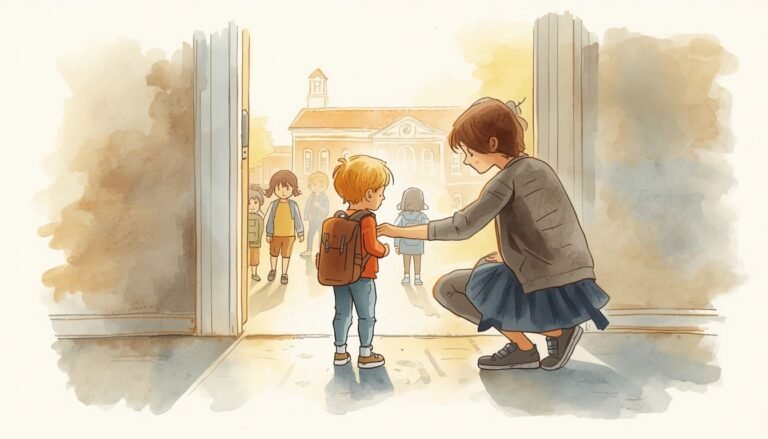
In a similar fashion, books that deal with everyday routines such as sleep time, toilet training, the first day of school, and the arrival of a new baby help toddlers get accustomed to what will happen. This reduces the anxiety that children face due to an unfamiliar situation.
7. Best Animal and Nature Books for 2 Year Olds
All children have an affinity for animals, and animal books serve two purposes: they are fun to read and inherently help with vocabulary acquisition. Animal sounds, colors, size, habitat — just one book about farms and jungles can help you get your child acquainted with a dozen new words in one reading session.
Good animal books for toddlers incorporate repetition and sounds (“The cow goes ‘moo,’ the duck goes ‘quack'”) along with brightly illustrated pictures of each animal featured in the book. Extra credit for any book that inspires your toddler to make the animal sounds.
8. How to Make Reading Time Actually Work at This Age
The best books in the world don’t always make reading with a two-year-old seem like the peaceful bedtime scene from a parenting magazine. Here’s what actually works:
- Let them lead: If your toddler wants to skip pages, go back to a favorite spread five times, or point at the same picture over and over, let them. At this age it is more important that they are engaged than that they read the book “correctly” from cover to cover.
- Keep sessions short: A five to ten minute reading session is perfectly reasonable for a two-year-old. Don’t push it longer than they can stand. Short, positive experiences will build a better long-term relationship with books than long, frustrating ones.
- Really read the same book over and over again: Reading the same board book every night for two weeks may sound like a recipe for brain death, but toddlers learn through repetition. Even if you haven’t read it recently, your understanding of it and your vocabulary grow every time you read it again.
- Don’t just read: Tell the story. Point to pictures. Ask simple questions. Stop and let your toddler fill in a word they already know. This makes the monologue a conversation, and conversations are much more toddler-friendly.
- Make it a habit: Read to your toddler every day, either at rest time or bedtime. This helps to associate books with calm, comforting moments, the exact association you want them to carry forward.
9. Common Mistakes Parents Make When Choosing Books for This Age
Sometimes even good-hearted parents select books that go against how a two-year-old’s brain works,” she says. A few patterns to avoid:
Choosing books “ahead” of their age: It’s tempting to buy books geared toward 4- or 5-year-olds, thinking it will get your toddler “caught up” more quickly. But in reality, books that go on and on with too many words or complicated stories are often counterproductive—your toddler quickly gets bored, and reading begins to seem like work, not fun. Age-appropriate is not “less than.” It means matched to where your child is at right now.
Expecting them to sit through the whole book: If your toddler wanders off after two pages, that’s not a failure; it’s completely typical at this age. Attention spans at two are naturally short, and forcing a full sit-through can make books feel like a demand rather than a pleasure.
Avoiding repetition because you’re sick of it: Parents tend to rotate out books quickly because they’ve read the same book fifteen times. But your toddler’s brain is still forming the neural pathways that are formed from repetition—hearing the same words, in the same order, over and over again. What is boring to you is actually very productive for them.
Skipping books because “they can’t read yet”: Reading readiness is not about decoding letters but about creating a relationship with books, language, and stories well before literacy skills develop. To wait until a child can “read” to introduce books is to miss the most important window of development.
10. Building a Simple Weekly Reading Routine
If you’re struggling to figure out how to make reading an actual habit rather than an occasional activity, here’s a simple framework that works well for toddlers:
- Relax after morning or during naps (5 min): Reading an uncomplicated book shortly before naptime helps to prepare your toddler for naps.
- Only one “new” book a week. Your little one doesn’t need a huge library of changing books; it would be great to have a perfect combination of novelty and repetition where there is only one new book a week and all others your toddler already knows.
- Anchor bedtime. Bedtime is probably the most suitable time when you can create such a routine because bedtime is an inevitable thing for the majority of toddlers. Next, stick to the same 2-3 books for bedtime and make it a routine your toddler can wait for.
- Traveling with books. Carry at least two board books in the baby bag, a stroller, or a car. Short, but unpredictable reading time can help to teach your toddler that reading is an integral part of his life regardless of bedtime.
None of the above has to be strict. It is not about having an impeccable schedule; it is about integrating books into your child’s day-to-day life without too much effort on their behalf so that reading becomes associated with relaxation and routine rather than a rare treat.
11. Free Books for 2-Year-Olds — Where to Start
It doesn’t take a fortune to build a toddler’s book collection. If you are just beginning, free digital picture books and printable stories are a great way to see what your child responds to before you commit to physical copies.
We’ve been building a growing library of free, illustrated eBooks at 1920 Agency, specifically for early readers. That means simple, repetitive stories and animal-themed books that tick all the boxes we covered above: short length, big illustrations, and language designed for toddler attention spans. It’s a low-pressure way to build a home reading habit without stressing about the budget.
Browse our kids E-books to find age-appropriate e-books you can start reading with your toddler today.
12. Final Thoughts
There is not one perfect list of best books for 2-year-olds that will work for every child. Every toddler has their own quirks, obsessions, and attention span. Some will be obsessed with anything to do with trucks. Others will demand the same book about a sleepy bear every single night for a month on end. Both are perfectly normal, and both are indications that reading is working just as it should.
At this age it’s less about what books you read and more about being consistent, following your toddler’s lead, and making books a comfortable, familiar part of everyday life. Do that and you are not only teaching your two-year-old to enjoy books today. You’re laying the groundwork for a reader who will carry that love well past the toddler years.